
Child Safeguarding at Hiroshima International School
At Hiroshima International School (HIS), the safety, wellbeing, and dignity of every student is at the core of our mission and vision. Our community is committed to creating a learning
environment that promotes integrity, respect, cultural sensitivity, and a peaceful, sustainable future.
Keeping children safe is central to this commitment.
Our Child Protection Policy (March 2025) ensures that all children at HIS enjoy a safe, secure, and supportive environment. It brings together existing school policies, updated procedures,
and internationally informed best practices to guide how we prevent, identify, and respond to concerns of abuse or neglect.
Our Commitment to Student Safety
We believe that:
- All children have the right to be protected and safeguarded
- Every adult in our community shares responsibility for upholding this right
- Students should know where to go for help
- All staff are accountable for following child protection procedures
- Ongoing training is essential for maintaining a safe environment
These beliefs guide the actions we take every day to support the safety of our students.
The HIS Safeguarding & Child Protection Team
HIS maintains a trained team of staff responsible for handling concerns and supporting our school community. This includes:
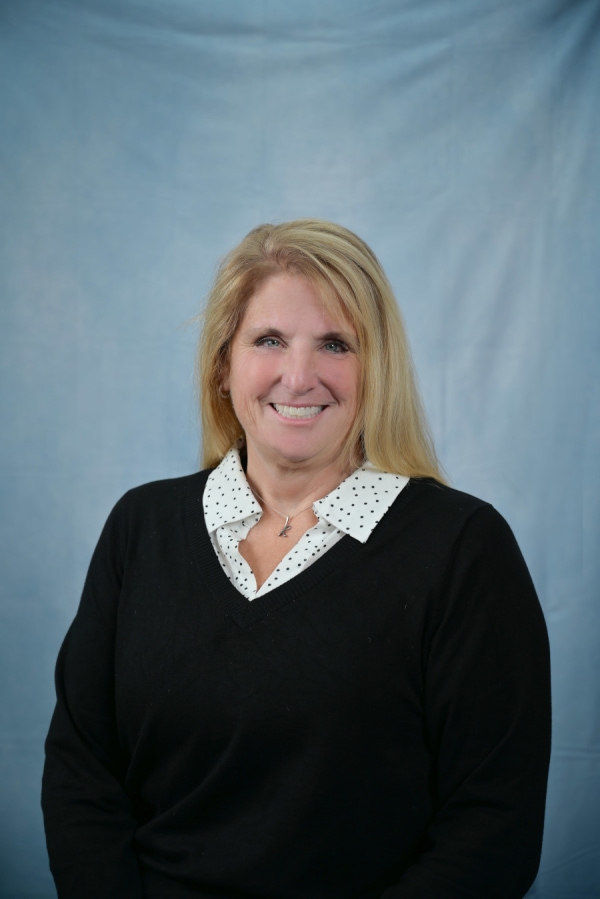
Job Position: Principal/Head of School
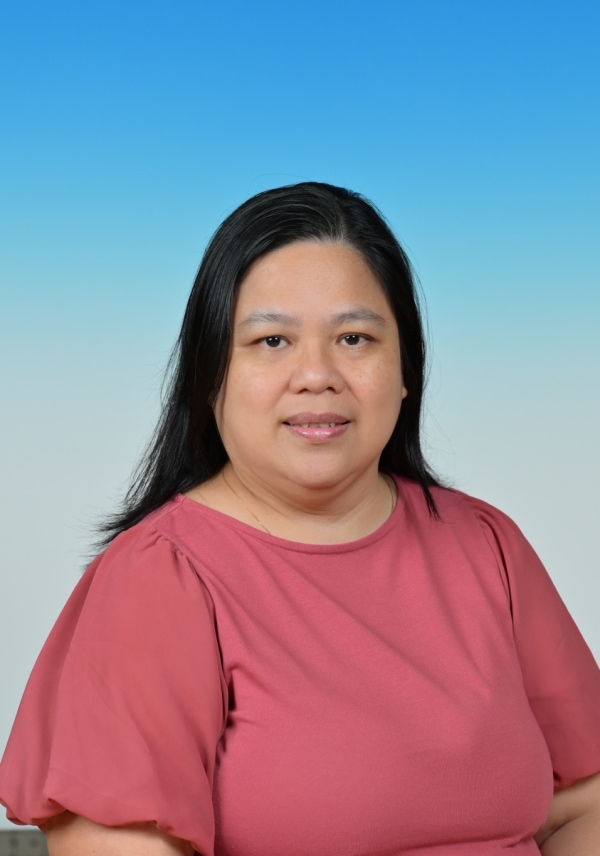
Job Position: DP Coordinator,
Physics, G12 Advisor
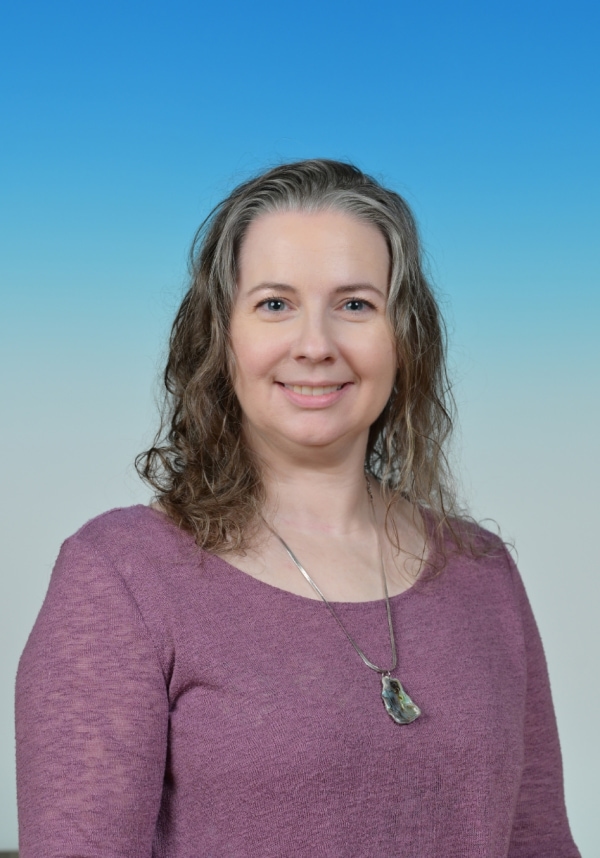
Job Position: MYP Coordinator,
Language Learning Coordinator,
I&5, G6 Advisor
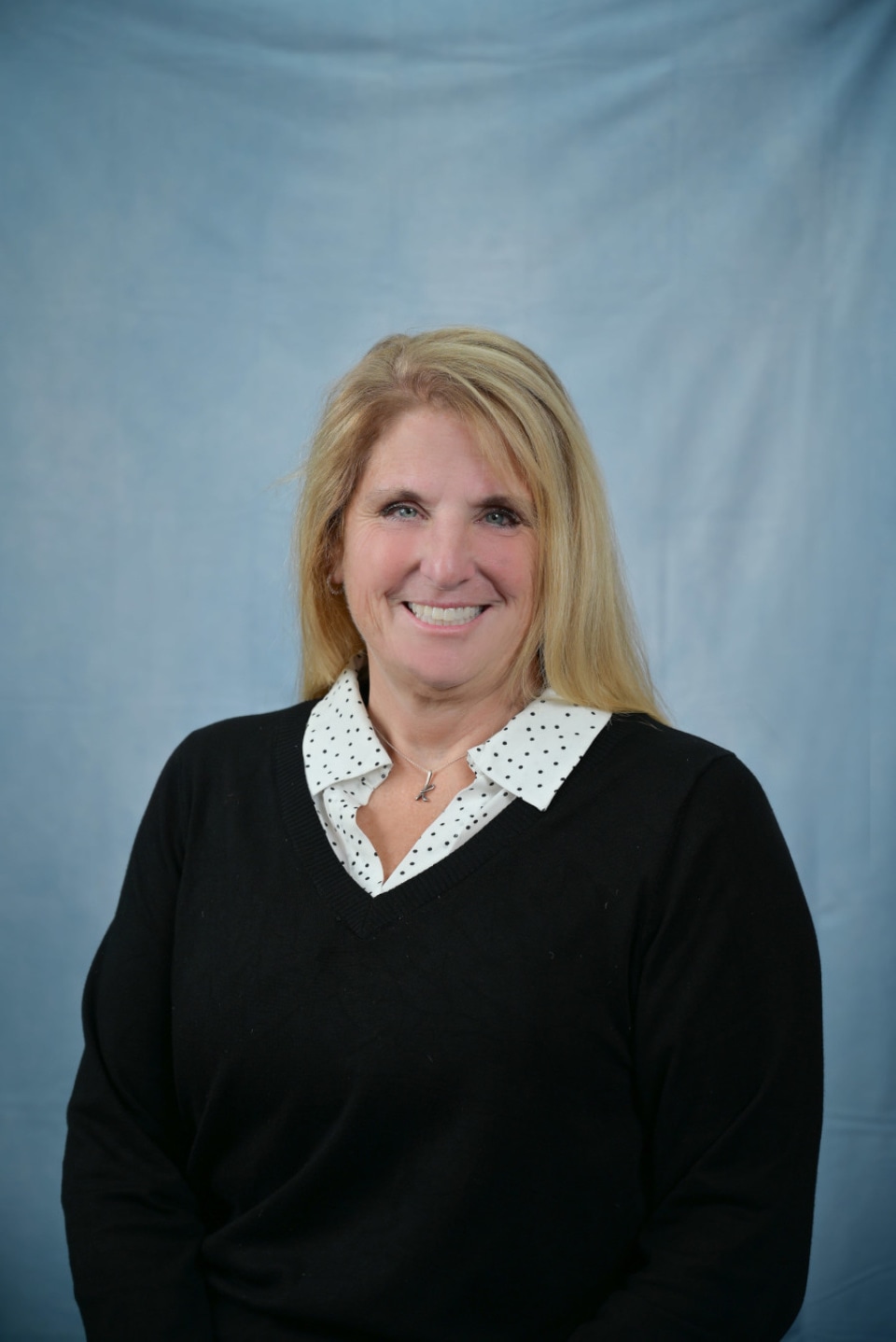
Kristen Dickhaut
Principal/Head of School
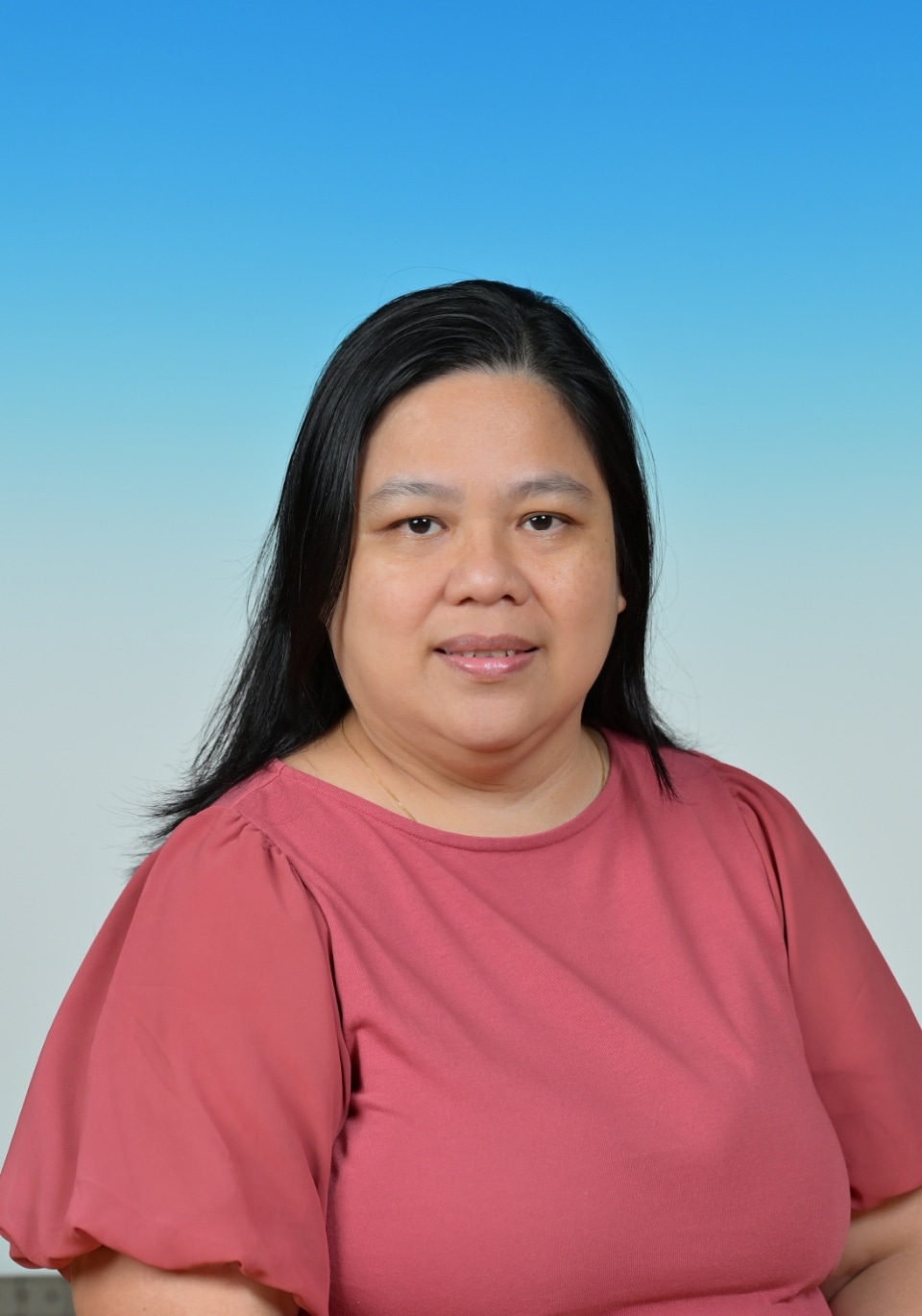
Glen Johnston
DP Coordinator,
Physics, G12 Advisor
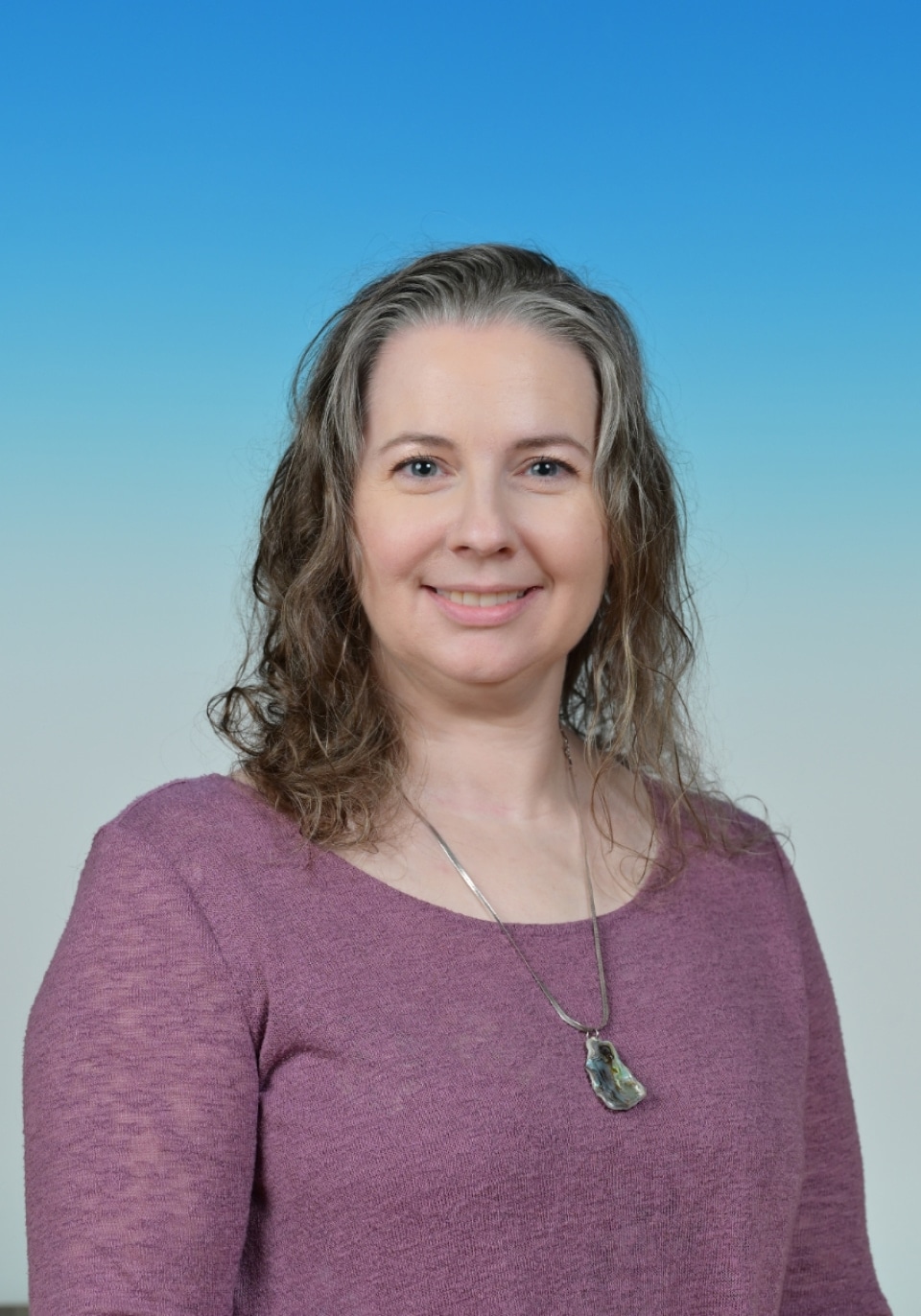
Kelly Rose
MYP Coordinator,
Language Learning Coordinator,
I&5, G6 Advisor
Frequently asked questions
At Hiroshima International School, safeguarding protections apply to all students. This includes any student under the age of 18, as well as all enrolled students who remain under the school’s duty of care while they are members of the school community.
When a safeguarding concern is raised, the school follows clear procedures in line with global standards, school policy, and local laws to ensure the concern is taken seriously, reviewed, and responded to effectively by the safeguarding team. The priority is always the safety and wellbeing of the student, while preserving the dignity and privacy of all those involved.
Safeguarding includes protecting students from all forms of harm, abuse, neglect, and exploitation. This includes:
- Physical harm
- Emotional harm
- Sexual harm
- Online harm
- Peer-to-peer harm
Safeguarding also includes situations where a child may be at risk due to their wider environment or relationships.
When a student, parent, or other HIS community member shares a concern or disclosure, they are listened to with care, respect, and sensitivity. The school’s role is to ensure community members feel safe, supported, and reassured while appropriate next steps are taken.
The school responds to safeguarding concerns using consistent procedures that prioritize student wellbeing, confidentiality, and appropriate reporting. All concerns are overseen by the Designated Safeguarding Lead with the support of the Designated Safeguarding Taskforce. The DSL and Taskforce members receive extensive, ongoing training to ensure concerns are handled with professionalism and care.
Child Protection Laws in Japan
- Child Welfare Act
- Act on the Prevention, etc. of Child Abuse
- The latest amendments of the relevant laws
Overview of Japanese Laws related to Child Pornography
Safeguarding Code of Conduct
Every adult working with HIS students must follow our Safeguarding Code of Conduct, informed by the 4 Guideposts:
- Roles
- Boundaries
- Power
- Accountability
Prevention & Education
HIS is committed to proactive safeguarding through:
- Age-appropriate curriculum on safety, rights, boundaries, and help-seeking
- SEE Learning, PHE, homeroom lessons, and assemblies
- Annual training for all staff
- Safe recruitment procedures for new employees
- Ongoing background checks (every 5 years)
Our Child Protection Learning Plan spans all grades (EC-12) and integrates key concepts throughout the curriculum.
Reporting a Safeguarding Concern
If you are worried about a child or a situation, please take action.
- You do not need certainty or proof to raise a concern.
- If something does not feel right, speak to a trusted staff member or contact the Designated Safeguarding Lead.
- All concerns are documented and reviewed by the safeguarding team.
- When necessary, external agencies may be consulted to ensure student safety.
Safeguarding concerns are treated sensitively and respectfully.
Professional Boundaries and Safe Communication
To protect students and maintain appropriate professional boundaries, all staff follow clear guidelines for communication and supervision.
- Electronic communication with students should be through HIS email, when available, and if not then through the parent’s email.
- If you collect student phone numbers for safety reasons during an excursion, for example, those numbers will be deleted and the staff member will ensure that students delete the staff numbers after the event.
- You should not connect with a student through social media.
- You should not arrange to meet a student outside of school hours.
- One-to-one meetings should be avoided where possible and should always take place in a visible location.
If You Have a Concern
If you have a safeguarding concern about a child at Hiroshima International School, please contact:
Designated Safeguarding Lead
Email: lsubeh@hiroshima-is.ac.jp
Child Protection Officer(s)
Email: makkie@hiroshima-is.ac.jp
If the Designated Safeguarding Lead is unavailable, you may contact any member of the safeguarding team.